
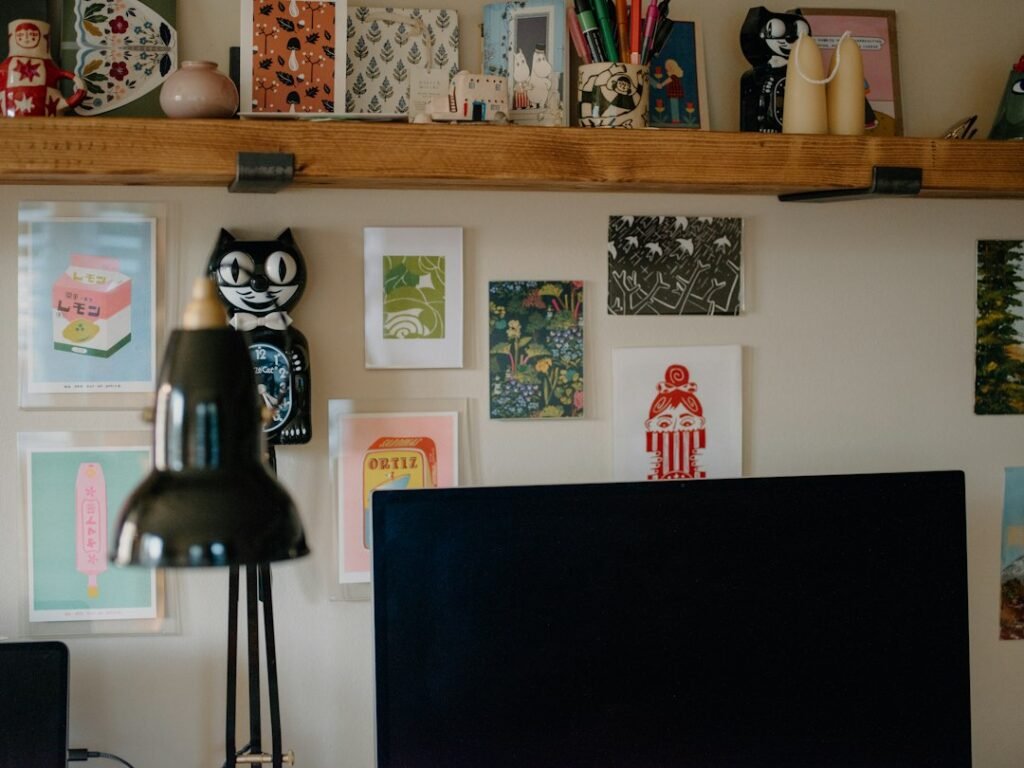
Protecting your fine art prints at home boils down to creating a stable environment, minimizing exposure to damaging elements, and using appropriate materials. Think of it as creating a mini-museum for your treasured pieces, without the security guards and velvet ropes, of course. The goal is to keep them looking as vibrant and pristine as the day you acquired them, preventing common issues like fading, warping, and discoloration.
Understanding the Enemies of Fine Art Prints
Before we dive into solutions, it’s helpful to understand what we’re up against. Your beautiful prints face several environmental threats in a typical home setting. Knowing these “enemies” helps us devise effective protection strategies.
Light: The Fading Factor
Perhaps the most significant threat to fine art prints is light, particularly ultraviolet (UV) light. Sunlight, fluorescent lights, and even some LED lights emit UV radiation, which can break down the pigments and dyes in your prints over time. This leads to irreversible fading, making colors appear dull and washed out. Think of how a brightly colored poster left in a sunny window fades to pale pastels – the same process, albeit slower, happens with your art prints. It’s not just the intensity but also the duration of exposure that matters. A little direct sunlight every day can be more damaging than occasional exposure to bright, indirect light.
Humidity and Temperature Swings: The Warping and Mildew Risk
Fluctuations in humidity and temperature are incredibly damaging. High humidity can cause paper to swell, making it buckle or ripple. It also creates a breeding ground for mold and mildew, which can permanently stain and damage your print. Conversely, extremely low humidity can make paper brittle and prone to cracking. Rapid changes between high and low can be even worse, as the paper repeatedly expands and contracts, stressing the fibers. Temperature also plays a role; high temperatures accelerate chemical reactions that can cause discoloration or deterioration of the paper and inks.
Air Pollutants: The Silent Degrader
The air in our homes isn’t always as clean as we’d like to think. Pollutants like ozone, sulfur dioxide, and nitrogen oxides – often from vehicle exhaust, industrial emissions, or even common household products – can react with the paper and inks of your prints, leading to discoloration, embrittlement, or fading. Dust, while seemingly innocuous, can also contain abrasive particles that scratch surfaces or microscopic organic matter that attracts pests.
Pests: The Uninvited Guests
Silverfish, booklice, and even some types of beetles love to snack on paper and adhesives. These tiny creatures can cause significant damage, leaving behind holes, tunnels, or stains. A clean and stable environment is your best defense against these unwelcome visitors.
Physical Damage: The Accidents Await
Accidental spills, tears, dents, and scratches are always a risk in a home environment. Whether it’s a curious pet, an enthusiastic child, or just a clumsy moment, physical damage can instantly devalue and mar a fine art print. Proper framing and careful handling are key here.
Framing for Longevity: Your First Line of Defense
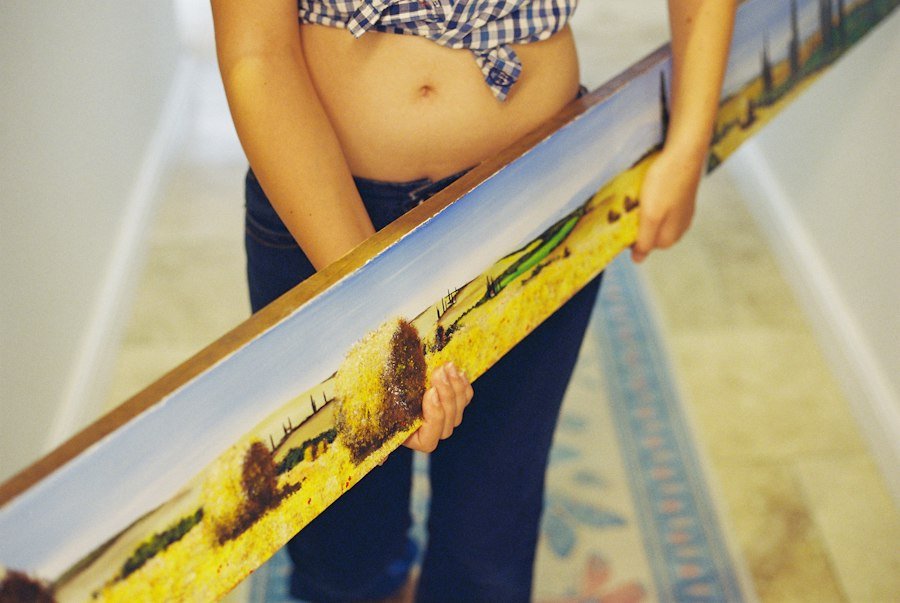
Framing isn’t just about making your print look good; it’s a critical protective barrier. When done correctly, it shields your art from many of the environmental threats we just discussed.
Choosing the Right Materials: It’s More Than Just a Frame
The materials used in your frame assembly are paramount. “Archival” or “museum-quality” are terms you’ll hear frequently, and for good reason. These materials are designed to be chemically stable and inert, meaning they won’t degrade over time and won’t leach harmful chemicals onto your print.
Acid-Free Mat Board and Backing
This is non-negotiable. Standard mat board and cardboard contain lignin and other acidic compounds that will, over time, migrate into your print, causing it to yellow, become brittle, and deteriorate. Always insist on 100% cotton rag (museum board) or alpha-cellulose (acid-free, lignin-free, pH neutral) mat board and backing. The mat board creates a crucial air gap between the print surface and the glazing, preventing condensation from forming directly on the print and offering some protection from accidental contact.
UV-Filtering Glazing
Whether you choose acrylic (Plexiglas) or glass, ensure it has a UV-filtering coating. This coating blocks a significant percentage (often 98% or more) of harmful UV radiation, drastically reducing the rate of fading. Acrylic is lighter and shatter-resistant, making it a good choice for larger pieces or in homes with children or pets. However, it can scratch more easily than glass and can generate static electricity, which might be a concern for delicate media like pastels (though less so for most fine art prints). Glass is heavier and breaks more easily, but it’s more scratch-resistant. Consider anti-reflective coatings for either type of glazing to improve viewing experience by reducing glare.
Proper Mounting Techniques
Your print should never be permanently affixed with non-archival glues, tapes, or sprays directly to the backing board. This is a common mistake that can permanently damage your art. Instead, use archival mounting corners or hinges made from Japanese paper and wheat starch paste. These methods allow the print to “breathe” and expand/contract slightly with changes in humidity, preventing buckling. They are also reversible, meaning the print can be removed without damage in the future.
Sealing the Package
A well-framed print is a sealed print. The back of the frame should be sealed with archival backing paper (like Tyvek) to create a barrier against dust, insects, and fluctuating humidity from the wall. This also helps maintain a more stable microclimate within the frame.
Environmental Control: Creating a Safe Haven
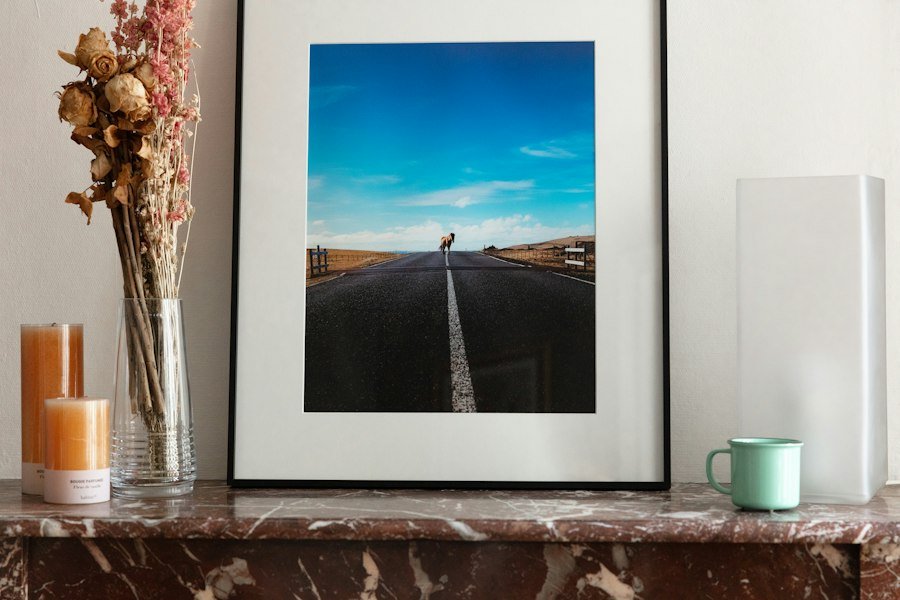
Even the best framing can only do so much if the environment around it is hostile. Controlling light, temperature, and humidity in your home is vital for long-term print preservation.
Mindful Placement: Location, Location, Location
Where you hang your print makes a huge difference. Avoid these common pitfalls:
Direct Sunlight
This is the number one enemy. Never hang a print where it will receive direct sunlight, even if it has UV-filtering glazing. While UV glazing helps, it doesn’t block 100% of all harmful light, and direct sun also brings heat, which accelerates deterioration. Indirect, ambient light is best. Consider window treatments like curtains or blinds to control light levels throughout the day.
High-Humidity Areas
Bathrooms, kitchens, and basements are generally bad places for fine art prints due to high humidity and temperature fluctuations. Steam from showers or cooking can quickly lead to mold and warping.
Heat Sources
Avoid hanging prints directly above radiators, heating vents, fireplaces, or near air conditioning units. These spots experience significant temperature swings and can dry out or overheat your prints.
Exterior Walls
In some climates, exterior walls can be subject to greater temperature and humidity fluctuations than interior walls, especially if insulation is poor. While not always a deal-breaker, it’s something to consider.
Humidity and Temperature Management: The Goldilocks Zone
Consistency is key. Aim for a stable environment within these ranges:
Relative Humidity
The ideal relative humidity for most paper-based art is between 45% and 55%. Wild swings outside this range are particularly damaging. A hygrometer (a device that measures humidity) can help you monitor levels in your display areas. In dry climates, a humidifier might be necessary; in humid climates, a dehumidifier can help. Ensure these devices are well-maintained to avoid mold growth within them.
Temperature
A stable temperature between 68°F and 72°F (20°C to 22°C) is generally ideal. While minor deviations are usually okay, avoid extreme heat or cold and, most importantly, rapid temperature shifts. If you leave your home for extended periods, try not to turn off heating or cooling completely, as this can lead to dramatic environmental changes upon your return.
Air Quality: Keep it Clean
Good air circulation without direct drafts helps prevent stagnant air pockets and can deter mold. However, avoid placing prints in areas with known pollutants:
Smoking Areas
Cigarette smoke contains tar and other chemicals that will yellow and damage paper over time. Avoid displaying prints in rooms where smoking occurs.
Chemical Fumes
Fresh paint, cleaning supplies, new carpeting, or off-gassing furniture can release volatile organic compounds (VOCs) that are harmful to art. Allow new construction or furnishings to air out thoroughly before introducing art.
Dust Control
Regular, gentle dusting around your framed prints helps prevent dust buildup. Use a soft, clean microfiber cloth or a soft-bristled brush. Never spray cleaning solutions directly onto the frame or glass; spray onto a cloth first, then wipe.
Handling and Maintenance: Gentle Touches and Regular Checks
Even after careful framing and placement, how you handle and maintain your prints matters. These are your ongoing responsibilities as a custodian of art.
Proper Handling: Less is More
When you do need to move or handle a framed print, do so with extreme care.
Support From Both Sides
Always support a framed print from both sides, especially larger pieces, to prevent undue stress on the frame joints or the hanging wire. Never pick it up by the hanging wire alone.
Clean Hands
Ensure your hands are clean and free of oils or lotions before touching the frame or, heaven forbid, the print itself. Cotton gloves are ideal if you need to handle unframed prints or artwork during framing.
Avoid Stacking
Never stack framed prints directly on top of each other without adequate cushioning and separation. The weight can damage the glazing or frame, and friction can cause scratches. If you must stack, use archival foam board or cardboard between each frame.
Cleaning Framed Prints: Gentle and Infrequent
Cleaning should be minimal and done gently.
Dusting
As mentioned, a soft, dry microfiber cloth is best for dusting the frame and glazing. For glass, you can use a small amount of ammonia-free glass cleaner sprayed onto the cloth, not directly onto the glass. For acrylic, use a specialized acrylic cleaner and a very soft cloth, as acrylic scratches easily.
Spot Cleaning
If there’s a smudge on the glazing, try to wipe it gently with a dry cloth first. If that doesn’t work, use a very mild cleaning solution (like diluted distilled water or the specific cleaner for your glazing) applied to the cloth, never directly to the surface.
Never Wet the Print
Under no circumstances should you attempt to clean the print surface itself with liquids. If your print gets wet, consult a professional conservator immediately.
Regular Inspections: Catching Problems Early
Make it a habit to periodically inspect your prints.
Check for Signs of Degradation
Look for any signs of fading, discoloration, mold growth (small spots or fuzz), buckling of the print, or pests (small droppings, holes, or insects themselves). Early detection can save your print.
Frame Integrity
Check the frame for loose joints, cracks, or damage. Ensure the hanging wire is secure and not frayed.
Backing Paper
Verify the backing paper is still securely sealed and hasn’t been torn or compromised.
Beyond Display: Storage for Unframed Prints and During Relocation
| Storage Method | Material Needed | Protection Level | Recommended Environment | Notes |
|---|---|---|---|---|
| Archival Sleeves | Acid-free plastic or polyester sleeves | High | Cool, dry, and dark area | Prevents dust and fingerprints; avoid PVC materials |
| Flat Storage | Archival boxes or flat files | High | Stable temperature and humidity | Prevents bending and warping; separate prints with acid-free tissue |
| Rolling Storage | Archival tubes and acid-free interleaving paper | Medium | Low humidity, moderate temperature | Suitable for large prints; avoid tight rolling to prevent creases |
| Framing | UV-protective glass, acid-free matting | High | Indoor, away from direct sunlight and moisture | Displays art safely; use spacers to avoid glass contact |
| Climate Control | Dehumidifier, air purifier | Essential | Consistent temperature (65-75°F), 40-50% humidity | Prevents mold, mildew, and fading |
While the focus is on home display, you might have unframed prints or need to temporarily store prints during a move or renovation. Proper storage is just as important as proper display.
Archival Storage for Unframed Prints
If you have prints that aren’t currently displayed, they need to be stored in a dark, stable, and protective environment.
Flat Storage
The best way to store unframed prints is flat in an archival box or portfolio. Rolling prints should only be a last resort and for short periods, as it can cause stress to the paper and make them difficult to flatten later. If you must roll, ensure the print is rolled with the image facing outwards around an archival tube and protected by archival paper.
Archival Boxes and Folders
Invest in acid-free, lignin-free archival storage boxes (e.g., clamshell boxes) and archival folders or sleeves. Each print should ideally be housed in its own polyester (Mylar D or Melinex 516) sleeve or acid-free paper folder to protect it from abrasion and provide a buffer.
Interleaving Materials
If prints are stacked within a box or folder, place sheets of acid-free tissue paper or unbuffered interleaving paper between them to prevent rubbing and acid migration.
Stable Environment for Storage
Store archival boxes in a stable environment: dark, cool, and with consistent humidity, away from direct sunlight, attics, basements, or exterior walls.
Protecting Prints During a Move
Moving is one of the most hazardous times for any artwork. Careful planning is essential.
Professional Packing for Valuable Pieces
For highly valuable or very large prints, consider hiring professional art movers or packers. They have the expertise and specialized materials to ensure safe transport.
Secure Framing Before Moving
Ensure all framed prints are securely framed with proper hanging hardware. If the hanging wire looks questionable, replace it.
Corner Protectors and Padding
Use foam corner protectors or cut cardboard corners to protect the frame edges. Wrap framed prints in several layers of bubble wrap (with the bubbles facing outwards, away from the glass/acrylic) or soft moving blankets. Tape the wrapping securely.
Labeling and Orientation
Clearly label boxes containing art as “FRAGILE – ART” and indicate which side is up. Avoid stacking heavy boxes on top of art. Transport framed art upright, not flat, to minimize stress on the glazing.
Climate Control During Transit
If moving long distances or in extreme weather, try to use a climate-controlled vehicle if possible, especially for very sensitive pieces. Avoid leaving art in a hot car trunk or exposed to freezing temperatures for extended periods.
By understanding the threats and implementing these practical strategies, you can enjoy your fine art prints for many years to come, preserving their beauty and value for future generations. It’s a bit of effort upfront, but the peace of mind and lasting vibrancy of your art are well worth it.