
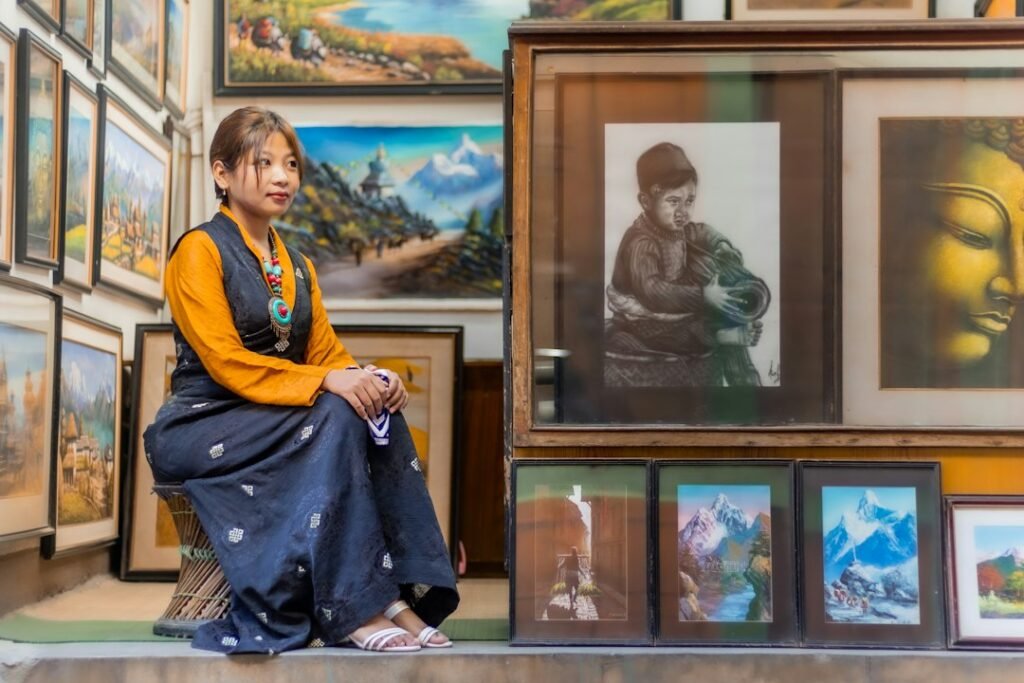
It’s always a good time to discover new art, and for collectors, spotting emerging talent early can be particularly rewarding. As we move through 2024, several artists are starting to make significant waves, showcasing innovative approaches, compelling narratives, and technical prowess that suggest a bright future. This article aims to highlight some of these fresh faces, offering insights into their work and why they might be interesting additions to your collection.
Spotting the Signs: What Makes an Artist “Emerging”?
When we talk about “emerging artists,” we’re generally referring to those who are at a relatively early stage in their professional careers, but are already garnering significant attention from critics, gallerists, and fellow artists. They’re often exhibiting in reputable galleries, participating in curated group shows, and their work might be starting to appear in art fairs. It’s less about age and more about the trajectory of their career – a sense that their work is evolving, gaining traction, and resonating with a broader audience.
Beyond the Hype: Factors to Consider
Identifying emerging talent isn’t just about who’s getting the most buzz on social media. While online presence is certainly a factor in today’s art world, a discerning collector looks deeper. We consider things like the artist’s conceptual rigor – do they have a clear artistic voice and a consistent vision? Technical skill is often a foundation, even if their style is abstract or experimental. The critical reception of their work, including reviews in reputable art publications, offers valuable external validation. Furthermore, observing where and how they exhibit their work – are they showing with established galleries, or being included in significant art institutional shows? These are all indicators of an artist moving beyond the initial stages of their career.
The Role of Galleries and Institutions
Galleries play a crucial role in nurturing emerging artists. A gallery that takes on a new artist often sees long-term potential and invests in their development, providing exhibition opportunities, promotion, and connections within the art world. Similarly, when an emerging artist’s work is acquired by a museum or included in a curated exhibition at a significant institution, it’s a powerful endorsement. These affiliations suggest that their work is being recognized as having cultural and historical relevance, elevating their standing and often their market value.
Curated Selections: Artists Showing Promise in 2024
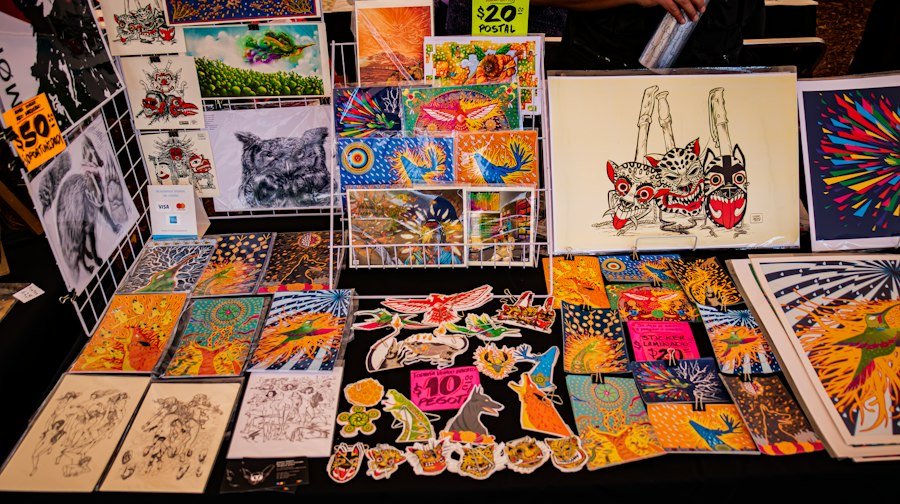
This section introduces a few artists who, based on current exhibitions, critical reception, and market activity, are demonstrating strong potential in 2024. This isn’t an exhaustive list, but rather a snapshot of individuals pushing boundaries and captivating audiences.
Anya Sharma: Weaving Narratives in Mixed Media
Anya Sharma, an artist whose work often explores themes of memory, migration, and identity, has been gaining significant attention for her intricate mixed-media compositions. Sharma’s pieces typically combine traditional painting techniques with textile elements, found objects, and fragmented photographs, creating dense, layered narratives. Her surfaces are rich with texture, inviting viewers to lean in and discover hidden details. The emotional depth in her work is palpable, often evoking a sense of longing or quiet contemplation. She has recently held a successful solo exhibition at a notable gallery in London, where several pieces were acquired by private collections. Her upcoming participation in a major international art fair later this year is also anticipated to further elevate her profile.
Sharma’s artistic process often begins with extensive research, delving into personal archives, historical records, and oral histories. This academic rigor grounds her emotionally charged work in a tangible context. Her use of textiles, particularly fabrics that hold cultural significance, adds another layer of meaning, connecting individual experiences to broader societal tapestries. For collectors, her work offers not just aesthetic pleasure but also intellectual engagement, prompting reflection on complex contemporary issues. The meticulous craftsmanship and innovative integration of diverse materials make each piece a unique artifact, a testament to her dedication and vision.
Leo Chen: Challenging Perception Through Abstraction
Leo Chen is an artist who operates primarily in the realm of abstract painting, but with a distinctive approach that challenges traditional notions of perception and space. His canvases are characterized by dynamic compositions, often featuring geometric forms that seem to float or intersect, creating a sense of movement and tension. Chen’s palette is often vibrant yet carefully balanced, utilizing both bold primary colors and subtle, nuanced tones to evoke emotional responses. There’s an architectural quality to his work, suggesting constructed realities and imagined landscapes.
Chen graduated from a prestigious art academy and has quickly established a unique visual language. His recent series, exploring the fragmentation of urban environments, has been particularly well-received, leading to features in several online art publications and a sold-out presentation at an art fair in Basel. Collectors are drawn to the intellectual rigor behind his seemingly spontaneous compositions, as well as the sheer visual impact of his large-scale works. His ability to create depth and light through careful layering and precise brushwork is truly remarkable.
The conceptual underpinning of Chen’s work often touches on the interplay between order and chaos, the visible and the invisible. He draws inspiration from both natural phenomena and man-made structures, translating these observations into abstract forms that invite viewers to construct their own interpretations. His work offers a refreshing take on abstraction, moving beyond purely decorative elements to engage with deeper philosophical questions about how we perceive and understand the world around us. For those building a collection focused on contemporary abstract painting, Chen represents a strong investment in an evolving artistic voice.
Sofia Rodriguez: The Human Form Reimagined
Sofia Rodriguez is making a name for herself with her captivating sculptural works that reinterpret the human form. Moving away from classical representation, Rodriguez employs unconventional materials such as repurposed industrial waste, woven synthetic fibers, and composite resins to create figures that are both familiar and alien. Her sculptures often depict fragmented or elongated bodies, conveying a sense of vulnerability, resilience, or transformation. There’s a raw honesty in her approach, juxtaposed with an elegant execution.
Rodriguez’s work has been a standout in recent group shows, particularly noted for her innovative use of materials and her ability to imbue inanimate objects with profound emotional resonance. She recently received a grant to complete a large-scale public art installation, which will undoubtedly broaden her audience. Her sculptures speak to contemporary issues of identity, societal pressures, and the human condition in a way that feels both timeless and urgently relevant. The physicality of her pieces, often commanding significant space, demands interaction and contemplation from the viewer.
Her process involves meticulous experimentation with materials, pushing their boundaries to achieve unexpected textures and forms. She often incorporates elements that reflect the ephemerality of existence, such as transparent resins or delicate weaves that catch the light differently depending on the viewer’s position. This thoughtful approach to material selection and manipulation is a hallmark of her practice. Rodriguez’s ability to evoke empathy and provoke thought through her unique sculptural language positions her as an artist with significant long-term potential, particularly for collectors interested in contemporary figurative and material-focused sculpture.
Market Insights: What to Look for in 2024
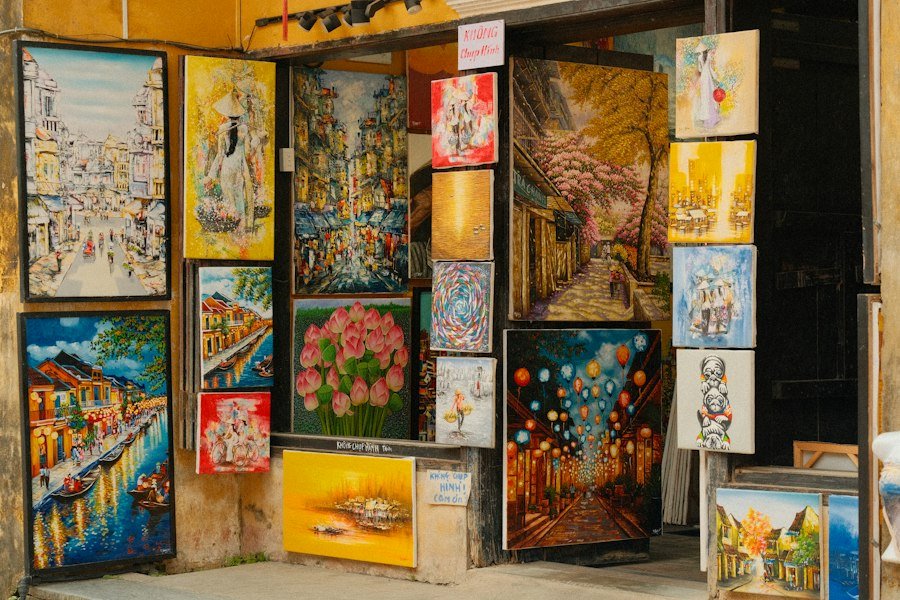
Understanding the broader market trends can be helpful when considering emerging artists. While the art market can be unpredictable, there are certain indicators and movements worth paying attention to.
The Rise of Digital and AI Art
While painting and sculpture remain robust, the digital realm continues to expand as a legitimate artistic medium. Artists exploring AI-generated imagery, augmented reality (AR) experiences, and sophisticated digital animations are increasingly finding platforms and collectors. It’s not just about NFTs anymore, though they still play a role. We’re seeing more institutional recognition for artists pushing the boundaries of what art can be in the digital space. Collectors interested in this area should look for artists with a strong conceptual framework, not just technical novelty. The long-term value will often lie in the intellectual property and the artist’s unique vision, rather than simply the digital file itself.
A Focus on Sustainability and Social Commentary
There’s a growing appreciation for artists who integrate sustainable practices into their work, whether through material choices, process, or thematic exploration. Similarly, art that engages with pressing social and political issues continues to resonate deeply. Collectors are increasingly seeking out works that offer more than just aesthetic appeal – pieces that provoke thought, stimulate dialogue, and reflect contemporary concerns. Artists who can articulate these themes compellingly and thoughtfully through their chosen medium are likely to gain traction. This trend reflects a broader societal shift towards conscious consumption and ethical engagement.
The Importance of Provenance and Documentation
As the market for emerging artists matures, good provenance becomes increasingly important. Ensure that when acquiring work, you receive proper documentation: a certificate of authenticity from the artist or gallery, details of exhibitions, and any press related to the piece. This not only protects your investment but also contributes to the historical record of the artwork and the artist’s career. For digital art, understanding the blockchain records and how ownership is transferred is crucial. Galleries that actively manage their artists’ careers and provide meticulous records are invaluable partners for collectors.
Practical Advice for Collectors
Embarking on the journey of collecting emerging art can be incredibly rewarding. Here are some practical tips to help navigate this exciting space.
Do Your Homework: Research is Key
Before making any purchase, spend time researching the artist. Look up their CV (curriculum vitae), which should list their education, past exhibitions (both solo and group), awards, and any press mentions. Explore their website and social media to get a sense of their artistic journey and influences. Read reviews from reputable art critics. Understanding their background, inspirations, and consistent artistic direction will give you a clearer picture of their potential and whether their work aligns with your collecting interests. Don’t rely solely on a gallery’s presentation; independent research is vital.
See the Art in Person Whenever Possible
While online viewing rooms are convenient, nothing quite compares to experiencing an artwork in person. Colors, textures, scale, and the overall presence of a piece can be dramatically different when viewed directly. Attend gallery openings, art fairs, and museum exhibitions. This allows you to form your own connection with the work and assess its material quality and impact without the mediation of a screen. It also provides opportunities to speak with gallerists and sometimes even the artists themselves, gaining deeper insights into their practice.
Build Relationships with Reputable Galleries and Advisors
Establishing connections with galleries that specialize in emerging art can be incredibly beneficial. These gallerists often have a keen eye for talent and are deeply invested in their artists’ careers. They can provide valuable insights, early access to new works, and advice tailored to your collecting goals. If you’re new to collecting, consider working with an independent art advisor who can help you navigate the market, identify artists fitting your criteria, and manage the acquisition process. A good advisor or gallerist acts as a trusted partner, offering expertise and guidance.
Understand the Artist’s Trajectory
When investing in an emerging artist, you’re not just buying a piece of art; you’re investing in their potential career trajectory. Look for artists who show consistent development in their work, are regularly exhibiting, and are gaining recognition from a diverse range of sources (critics, institutions, other collectors). An artist whose work is being acquired by major public collections or included in significant curated exhibitions is often a strong indicator of future growth. A steady upward trend in their CV is more reassuring than sporadic bursts of activity.
Trust Your Instincts (But Be Informed)
Ultimately, art collecting should be a personal journey. While research and expert advice are crucial, your own aesthetic preference and emotional connection to a piece are paramount. Buy art that you genuinely love and want to live with. However, make sure these instincts are informed by sound research and a good understanding of the artist’s standing and potential. The best collections are often those that balance intellectual rigor with personal passion. Enjoy the process of discovery and the unique satisfaction of supporting new and exciting artistic voices.
Explore more on Serston: browse artworks in the shop, learn how to authenticate fine art before buying, and read Starting Your Fine Art Collection: A Beginner’s Guide to Collecting.
Related Serston artworks: “Purple Haze” lacquer painting, “Waterfall” by James Carter, and Large textured impasto painting 30×42.