
Starting your fine art collection can feel like stepping into a labyrinth if you’re not sure where to begin. The good news is, it’s more accessible than you might think, and you don’t need to be a millionaire to get started. This guide will walk you through the practical steps and considerations for building a collection that brings you joy and potentially grows in value, without the intimidation factor.
Getting Started: Why Collect Art?
Collecting art isn’t just for investors or academics; it’s a deeply personal journey that can enrich your life in countless ways. For many, it’s about surrounding themselves with beauty, sparking conversation, and supporting artists whose work they admire. Beyond the aesthetic pleasure, there’s the intellectual stimulation of learning about different movements, techniques, and artists. And yes, while it shouldn’t be the sole focus, there’s also the potential for art to appreciate in value over time, making it an alternative asset class.
Defining Your Motivation
Before you even think about buying your first piece, take a moment to understand why you want to collect. Is it purely for decoration? Are you passionate about a particular artistic style or historical period? Do you want to support emerging artists? Your motivation will significantly influence your collecting strategy, from the types of art you seek out to the budget you set. For instance, if your primary goal is investment, you’ll likely focus on established artists with a proven track record. If it’s about personal enjoyment, you have much more freedom to follow your heart.
Setting a Realistic Budget
This is perhaps the most practical first step. Art comes in all price ranges, from affordable prints by emerging artists to multi-million dollar masterpieces. Don’t feel pressured to spend a fortune. Many collectors start with a modest budget and gradually increase it as their knowledge and confidence grow. It’s perfectly fine to begin by allocating a few hundred or even a thousand dollars to your first few pieces. The key is to be realistic about what you can comfortably afford without financial strain. Remember, collecting is a marathon, not a sprint.
Education and Exploration: Building Your Eye
You wouldn’t buy a car without test-driving it and doing some research, right? The same goes for art. Before you make any purchases, spend time immersing yourself in the art world. This doesn’t mean you need a degree in art history, but rather a commitment to looking, learning, and developing your own taste.
Visiting Galleries and Museums
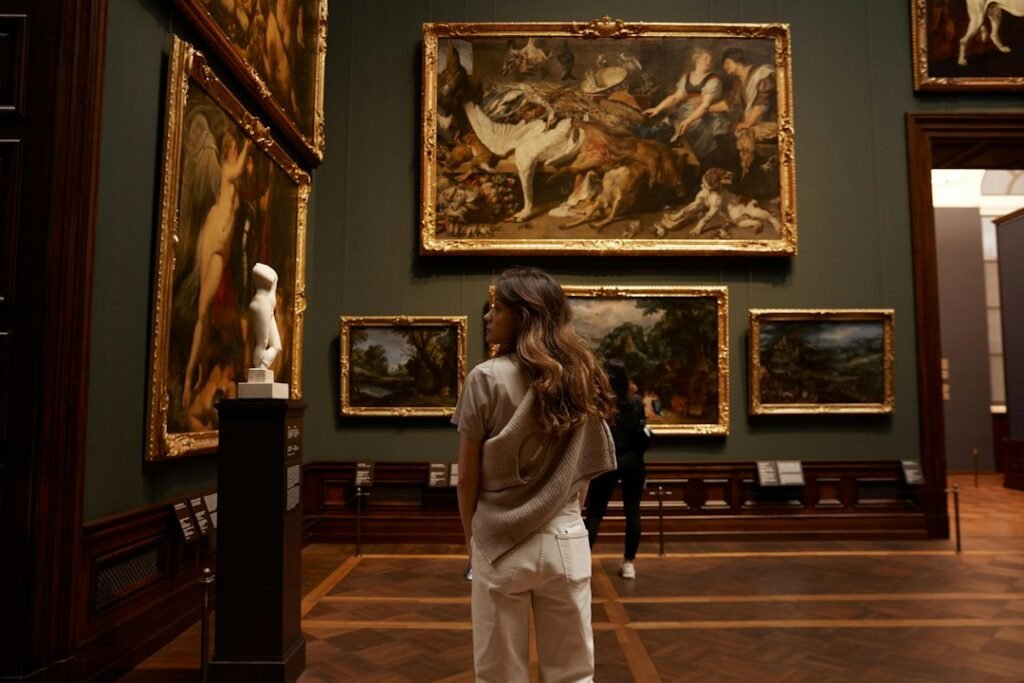
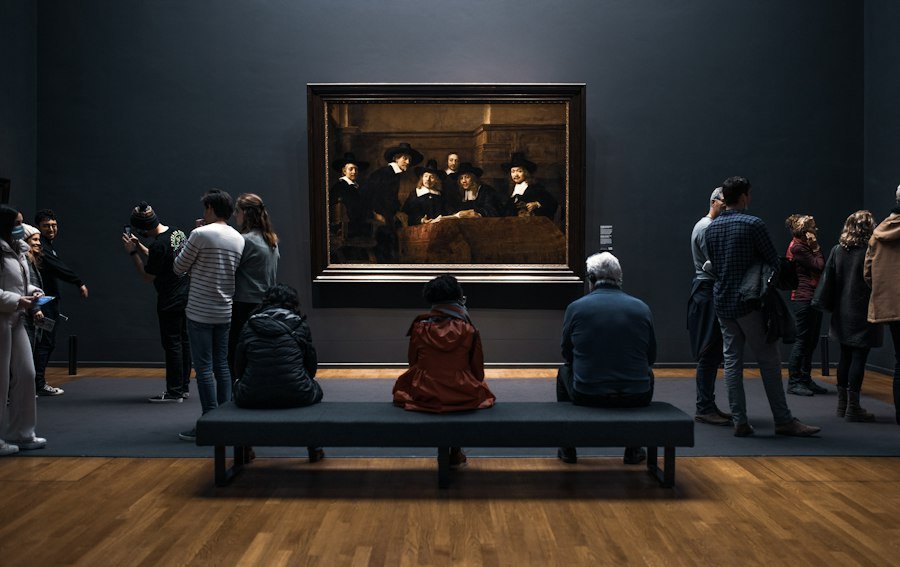
This is your primary classroom. Spend as much time as possible in local art galleries, contemporary art spaces, and major museums. Pay attention to what captivates you. Do you gravitate towards vibrant abstract paintings, delicate figurative drawings, thought-provoking sculptures, or evocative photography? Notice the different mediums, sizes, and styles. Don’t be afraid to ask gallery staff questions; they are usually knowledgeable and happy to share information, even if you’re not planning a purchase immediately. Museums, with their curated collections, offer a historical context and showcase significant works, helping you understand different periods and movements.
Attending Art Fairs and Open Studios
Art fairs are fantastic opportunities to see a vast amount of art in one place, often by a diverse range of artists, both established and emerging. They can be overwhelming, but they offer a great snapshot of current trends and pricing. Open studio events, where artists invite the public into their workspaces, provide a more intimate experience. You can talk directly with the artists, learn about their process, and often see works in progress. These interactions can be incredibly valuable for developing your understanding and connecting with the art on a deeper level.
Online Resources and Publications
The internet has democratized access to art information. Websites like Artsy, Artnet, and Saatchi Art allow you to browse thousands of artworks and artists from around the globe. Follow art blogs, read reputable art publications (both online and print), and subscribe to newsletters from galleries you admire. Platforms like Instagram can also be a powerful tool for discovering new artists and seeing what’s happening in the contemporary art scene, but always be mindful of the source and critically evaluate what you see. Use these resources to broaden your horizons and identify artists whose work resonates with you.
Developing Your Personal Taste
This is a journey, not a destination. Your taste will evolve as you see more art and learn more. Don’t feel pressured to like what others like or to follow trends. The most satisfying collections are those that reflect the collector’s unique personality and interests. Take notes, photograph works you love (where permitted), and start building a mental or physical catalog of what truly speaks to you. Understanding why you respond to certain pieces – whether it’s the color, the composition, the subject matter, or the emotional impact – is crucial.
Making Your First Purchase: Practical Considerations
Once you’ve done your homework and have a better sense of what you like and what your budget allows, it’s time to think about that first acquisition. This can be exciting but also a bit daunting. Approach it with confidence, knowing you’ve laid the groundwork.
Original Art vs. Prints
This is a common point of confusion for new collectors. Original art refers to a unique, one-of-a-kind piece created by the artist, such as a painting, drawing, or sculpture. Prints, on the other hand, are reproductions of an original artwork, often produced in a limited edition and signed by the artist. Limited edition prints (like etchings, lithographs, or screenprints) are considered fine art in their own right, especially if they are produced to a high standard and signed and numbered by the artist. Open edition prints are mass-produced and generally hold less artistic or monetary value.
For a beginner, limited edition prints can be a fantastic entry point. They allow you to acquire work by established artists at a more accessible price point than their original works. However, don’t overlook original works by emerging artists, which can often be surprisingly affordable and offer the unique satisfaction of owning something truly one-of-a-kind.
Researching the Artist
Before buying, do a quick background check on the artist. Look for their exhibition history, any awards they’ve received, and if their work is included in any public or private collections. This information helps establish their credibility and potential for future recognition. While not exhaustive, platforms like Artnet or Artsy often provide artist bios and exhibition records. For emerging artists, their personal website, social media, and any gallery representation can offer valuable insights.
Understanding Provenance
Provenance refers to the history of ownership of an artwork. A strong provenance – showing a clear, documented chain of ownership from the artist – adds to an artwork’s authenticity and value. For your first few pieces, especially at lower price points, extensive provenance might not be available or necessary. However, as you collect more valuable works, always inquire about its history. A reputable gallery will provide as much provenance as they have.
The Role of the Gallery and Art Dealer
Galleries play a crucial role in the art ecosystem. They discover and represent artists, promote their work, and act as intermediaries between artists and collectors. Buying from a reputable gallery offers several advantages:
- Vetting: Galleries curate their artists, meaning they’ve already done some of the research for you, selecting artists they believe have artistic merit and potential.
- Expertise: Gallery owners and staff are knowledgeable and can offer valuable insights into the artist’s practice, the artwork itself, and the broader art market.
- Authenticity: They provide assurances of authenticity and provenance.
- Support: They often handle framing, shipping, and can offer advice on caring for your artwork.
Don’t be intimidated by galleries. Walk in, look around, and if something catches your eye, don’t hesitate to ask questions. Establish a relationship with a gallery you trust; they can become a valuable resource as your collection grows.
Trusting Your Gut (and Your Eyes)
Ultimately, buy what you love. While research and expert advice are invaluable, the most important criterion for your personal collection should be your emotional connection to the piece. If an artwork speaks to you, excites you, or makes you think, that’s a powerful reason to acquire it. Don’t buy something just because someone tells you it’s a “good investment” if you don’t actually like it. A collection built on personal passion is always the most rewarding.
Caring for Your Collection: Preservation and Display
Collecting art isn’t just about the acquisition; it’s also about being a good steward of the pieces you bring into your life. Proper care ensures their longevity and preserves their beauty for years to come.
Framing and Installation
Proper framing is crucial for protecting two-dimensional artworks like paintings, prints, and photographs. Always use archival-quality materials, such as acid-free mat board and UV-protective glass or acrylic. These materials prevent the artwork from degrading over time due to exposure to light and acidity. For valuable pieces, consider museum-quality framing.
When installing, choose a location free from direct sunlight, which can fade colors and damage paper. Avoid placing art directly above heat sources like radiators or fireplaces, as fluctuating temperatures and humidity can cause damage. Ensure the hanging hardware is appropriate for the weight of the artwork and securely installed. For sculptures or objects, consider a stable pedestal or display case that protects them from dust and accidental bumps.
Environmental Control
Artworks are sensitive to their environment. Aim for stable temperature and humidity levels. Extreme fluctuations can cause materials to expand and contract, leading to cracking, warping, or other damage. Generally, a consistent temperature between 68-72°F (20-22°C) and relative humidity between 40-60% is ideal. If you live in an area with extreme climate variations, consider using a dehumidifier or humidifier in the room where your art is displayed.
Avoid touching artworks directly with bare hands, especially prints and photographs, as oils and acids from your skin can leave permanent marks. Wear clean cotton gloves when handling unframed pieces.
Insurance
As your collection grows in value, it’s wise to consider insuring your artworks. Standard home insurance policies often have limitations on coverage for valuable items. Look into a separate fine art policy, which typically offers broader coverage, including damage, theft, and loss, often without a deductible for certain types of claims. Get appraisals for higher-value pieces to ensure they are adequately covered. Keep detailed records of your purchases, including receipts, certificates of authenticity, and photographs of the artwork.
Documentation and Record Keeping
Maintain a meticulous record of each artwork in your collection. This should include:
- Artist’s name and dates
- Title of the artwork
- Date of creation
- Medium and dimensions
- Provenance (if available)
- Date of purchase and price paid
- Seller’s information
- Any exhibition history
- A high-quality photograph of the piece
This documentation is invaluable for insurance purposes, future sales, or simply for personal enjoyment and historical reference. Consider using a spreadsheet or a specialized art collection management app to keep everything organized.
Growing Your Collection: Beyond the First Purchase
- Step 1: Research Art Styles and Artists: Learn about different art movements, styles, and notable artists to identify your preferences. Estimated Time: 2-4 weeks. Key Considerations: Use books, galleries, online resources, and art fairs.
- Step 2: Set a Budget: Determine how much you are willing to invest in your art collection initially and over time. Estimated Time: 1-2 days. Key Considerations: Consider additional costs like framing, insurance, and maintenance.
- Step 3: Visit Galleries and Art Shows: Explore local galleries, art fairs, and exhibitions to see artworks in person. Estimated Time: Ongoing. Key Considerations: Engage with gallery staff and artists to gain insights.
- Step 4: Start Small: Begin by purchasing affordable pieces or prints to build confidence and understanding. Estimated Time: 1-3 months. Key Considerations: Focus on quality and authenticity.
- Step 5: Document Your Collection: Keep records of purchases, provenance, and artist information. Estimated Time: Ongoing. Key Considerations: Helps with insurance and future sales.
- Step 6: Consider Professional Advice: Consult art advisors or appraisers for guidance on acquisitions and valuation. Estimated Time: As needed. Key Considerations: Especially useful for high-value purchases.
- Step 7: Maintain and Insure Artworks: Properly care for your collection and insure it against damage or theft. Estimated Time: Ongoing. Key Considerations: Climate control and security are important.
Once you’ve dipped your toes in and made your first few purchases, the real fun begins. Collecting is an ongoing process of learning, discovery, and refinement.
Diversifying Your Collection
As you gain confidence, you might start to diversify your collection. This could mean exploring different mediums (e.g., adding photography or sculpture if you started with paintings), looking at artists from different geographical regions, or delving into different art movements. Diversification adds richness and depth to your collection and broadens your understanding of the art world. However, don’t diversify just for the sake of it. Let your interests guide you.
Establishing Relationships
Cultivate relationships with gallery owners, art dealers, and even other collectors. These connections can be invaluable resources for learning, discovering new artists, and getting access to works before they are widely publicized. Being a known and trusted collector can also lead to opportunities for special viewings or preferred access to limited editions. Attend gallery openings and art events regularly to expand your network.
Considering Art Consultants
For more significant purchases or if you feel overwhelmed, an art consultant can be a valuable partner. They have deep market knowledge, access to a wider network of artists and galleries, and can help you navigate complex transactions. They work on your behalf, often for a fee or commission, to find pieces that fit your taste, budget, and collecting goals. Just ensure you choose a consultant with a strong reputation and clear fee structure.
Selling and Deaccessioning
While many collectors buy for the long term, there may come a time when you want to sell a piece. This is known as “deaccessioning.” Reasons for selling can include refining your collection, needing to make space, or wanting to free up capital for a new acquisition. You can sell through galleries, auction houses, or directly to other collectors. Research the best channel for your specific artwork and be realistic about pricing. Selling can also be a learning experience, helping you understand the market dynamics from a different perspective.
The Ongoing Journey of Discovery
Collecting art is a lifelong passion. It’s about the thrill of discovery, the joy of living with beautiful objects, and the continuous learning that comes with engaging with the creative world. Stay curious, keep exploring, and allow your collection to grow organically as your tastes and knowledge evolve. The most rewarding collections are those built with genuine enthusiasm and a deep personal connection to the art itself. Enjoy the journey!
Explore more on Serston: browse artworks in the shop, learn how to authenticate fine art before buying, and learn how to care for oil paintings at home.
Related Serston links: Collection of 4 European & vintage art prints, Ellen Gunn signed serigraph, Pamela Munger peach roses, and Sell With Serston.
Comments: 3
Pingback: Emerging Artists to Watch: New Talents for Art Collectors - Serston
Pingback: How to Authenticate Fine Art Before Buying: Expert Tips & Techniques - Serston
Pingback: Caring for Oil Paintings at Home: Essential Tips for Preservation - Serston